How will I know if I have bacterial vaginosis?
If you think you may have it, talk to a doctor or nurse who might recommend a test if you have signs and symptoms. You may notice these yourself or they may be noticed by a doctor or nurse during a vaginal examination.Some women may also be offered a test during pregnancy and before some gynaecological procedures or an abortion.
Bacterial vaginosis is not a sexually transmitted infection but it is important that you don’t delay getting advice if you think you may have been at risk of a sexually transmitted infection.
What does the test involve?
A doctor or nurse will look at any vaginal discharge and use a swab or a small plastic loop to collect a sample of cells from the walls of the vagina, during an internal examination. A swab looks a bit like a cotton bud, but is smaller, soft and rounded.The swab or loop is wiped over the parts of the body that could be affected and easily picks up samples of discharge and cells. It only takes a few seconds and is not usually painful, though it may be uncomfortable for a moment.
The pH (alkaline/acid balance) of the vagina may be measured by wiping a sample of vaginal discharge over a piece of specially treated paper.
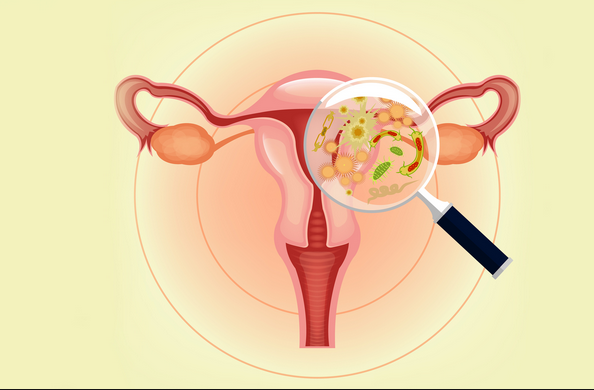
Samples taken during the examination are looked at under a microscope to check for bacterial vaginosis. In some services, the result is available immediately. In others a sample is sent to a laboratory, and the result is usually available within a week.
Sometimes bacterial vaginosis is noticed during a cervical screening test, but you will only need treatment if you have problems with discharge.
Routine blood tests do not detect infections such as bacterial vaginosis.
How accurate are the tests?
Tests for bacterial vaginosis are usually accurate. The doctor or nurse will discuss your test results with you.Where can I get a test?
You may be offered a test as soon as you have signs and symptoms for the doctor or nurse to check. There are a number of services you can go to. Choose the service you feel most comfortable with.A test can be done at:
- a genitourinary medicine (GUM) or sexual health clinic
- some general practices (ask a doctor or practice nurse)
- some contraception clinics and young people’s services.
Source: http://www.fpa.org.uk/sexually-transmitted-infections-stis-help/thrush-and-bacterial-vaginosis#ezIxUOq8jurmFarH.99